
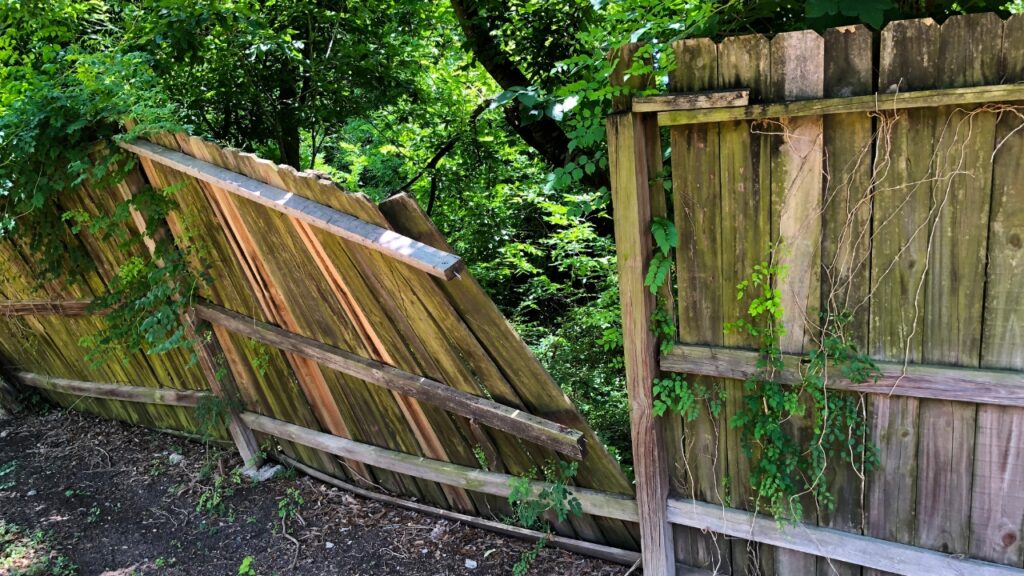
How to Tell If a Fence is Old and Needs Replacing
A fence is a long-term investment, but like all outdoor structures, it has a limited lifespan. Knowing how to tell if a fence is old and structurally compromised is crucial for protecting your property and avoiding sudden failure. This guide details the signs of an aging fence and helps homeowners identify when it’s time for repairs or a professional replacement by Elite Fence.
Signs a Fence is Too Old: Visual Indicators
The lifespan of a fence varies significantly by material, but regardless of the fence type, there are clear signs the fence is too old and reaching the end of its reliable service life.
Wood Fences: The Danger Signs
Wood fences require the most diligent inspection, as their lifespan is highly dependent on maintenance.
- Rot and Decay: The most critical indicator is rot, especially at ground level. To find how to tell if a fence is rotten, push a screwdriver hard into the bottom of posts and panels. If the wood is soft, spongy, or crumbles easily, the wood is rotten.
- Warping and Cupping: Individual pickets or panels are severely twisted (warping) or curved (cupping). This affects privacy and security and indicates the wood has lost its structural integrity.
- Failing Hardware: Posts are pulling away from rails, or rails are separating from posts. Look for excessive rust on nails or screws, which can no longer hold the fence together.
- Missing or Loose Posts: Posts are leaning significantly out of plumb, often due to rot below the ground line.
Vinyl and Chain Link Fences: Signs of Aging
Though more durable, synthetic and metal fences still show signs of wear.
- Vinyl: Look for widespread chalking (faded, powdery residue), brittle sections, or yellowing. If the panels are severely cracked or shattered, the UV protection has failed, and the vinyl fence needs replacement.
- Chain Link: Look for excessive rust (especially if not galvanized or vinyl-coated), bent or collapsed framework (posts and rails), and sagging mesh that can no longer be tensioned.
When to Repair vs. Replace: Lifespan and Damage
The decision to repair or replace often comes down to the extent of the damage and the overall age of the structure.
What is the Lifespan of a Fence?
Knowing the expected life of your material helps determine how often do I need to replace my fence:
| Material | Average Lifespan (with Maintenance) |
| Treated Pine Wood | 10 – 15 years |
| Cedar Wood | 15 – 20+ years |
| Vinyl (PVC) | 30 – 50+ years |
| Aluminum/Galvanized Chain Link | 20 – 30+ years |
| Ornamental Steel | 20 – 40+ years |
Signs an Old Fence Can Be Repaired
Repairing is feasible when the structural integrity remains sound:
- Only one or two isolated posts are failing due to localized rot.
- A small section of boards has been damaged by a storm or impact.
- The only issue is failing hardware (e.g., rusty hinges on a gate).
When Replacement is the Only Option
It is almost always more cost-effective to replace the entire fence when:
- More than 20-30% of the posts are rotten or severely leaning.
- The panels are warped and boards are splitting across the majority of the fence line.
- The system uses the old, low-quality materials that are prone to future failure.
Extending the Life of Your Existing Fence
If your fence is still sound, a few maintenance steps can maximize its longevity before replacement is necessary.
How to Clean an Old Fence
Cleaning removes built-up grime, mold, and mildew, restoring the fence’s appearance and preventing decay.
- Preparation: Clear away nearby plants and lay down a tarp to protect landscaping.
- Cleaning Solution: Use a mixture of water and mild detergent, or a specialty deck/fence cleaner.
- Application: Apply the cleaner with a brush or a garden sprayer. A low-pressure washer can be used carefully, but avoid high pressure, which can damage wood fibers or split vinyl.
Is It Worth Staining an Old Fence?
Yes, it is worth staining an old fence, provided the wood is structurally sound. Staining is a key maintenance task that protects the wood from moisture and UV rays. If the wood is clean and not rotten, applying a fresh stain can significantly extend its life and restore its appearance. Do not stain or paint rotten wood, as this will only seal in the moisture and accelerate decay.
What are Some Ideas for Old Fence Panels?
If you replace your fence, don’t immediately throw away the old panels. Ideas for old fence panels (if they are not completely rotted) include:
- Garden Use: Use the pickets for garden markers or bordering vegetable beds.
- Compost Bins: Use the boards to construct simple compost bin walls.
- Repurposed Wood Art: Use the weathered wood for rustic indoor crafts or wall paneling.
Ready for a Durable, New Fence? Contact Elite Fence
Don’t let a decaying fence compromise your property’s security and curb appeal. If you’ve identified signs that your fence is too old and repairs are no longer feasible, contact the professionals at Elite Fence. We specialize in assessing fence condition, safely managing how to remove old fence posts and structures, and providing durable new installations using high-quality materials like vinyl, aluminum, and cedar.
Contact Elite Fence today for a professional consultation and replacement quote in Raymore, MO, and the surrounding areas.