
Best Wood Fence Material: A Homeowner’s Guide to Quality and Longevity
Choosing to install a wood fence is an investment in your home’s privacy and curb appeal. However, the performance of that fence depends entirely on the species of wood you choose. In the Kansas City area, our fences must withstand humid summers, freezing winters, and heavy winds, making your choice of material even more critical.
In this guide, we will break down the best wood fence materials available to help you choose the right balance of beauty, durability, and cost for your property.
Comparing the Best Wood Fence Materials for Your Home
When browsing for lumber, you will find several options. Each species offers a unique balance of cost, durability, and aesthetic appeal. Here is how the most common wood types compare for residential fencing to help you choose the best wood fence material for your specific needs.
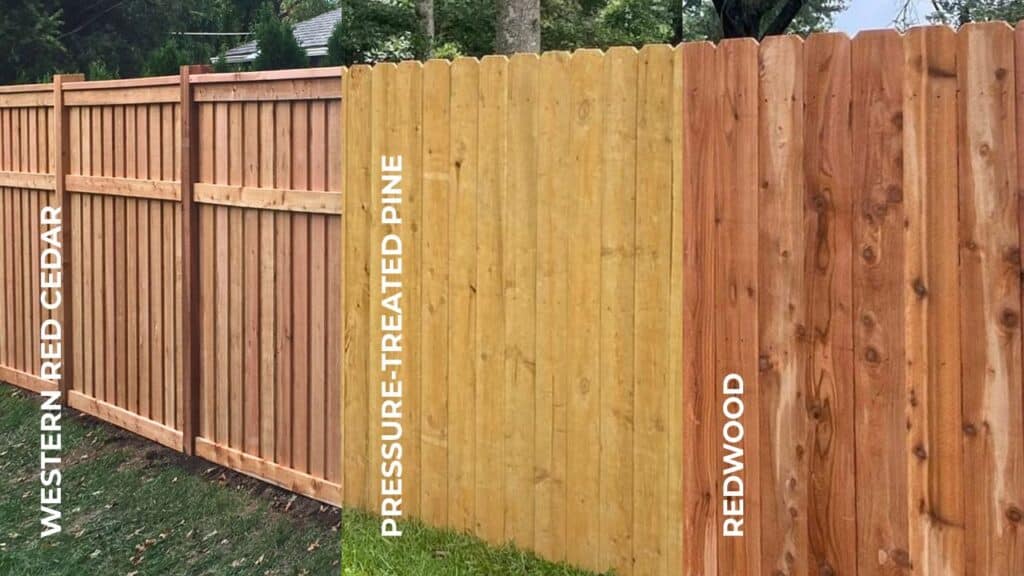
Western Red Cedar
Western Red Cedar is widely considered the best type of wood for fence projects due to its natural resistance to insects and rot. It contains natural tannins that preserve the wood without the need for heavy chemical treatments.
- Durability: Naturally resistant to decay and insects.
- Stability: Maintains its shape well with minimal warping or cupping.
- Appearance: Features a rich, vibrant reddish-brown color that ages gracefully.
Pressure-Treated Pine
Pressure-treated pine is a popular, budget-friendly option. This pine is chemically treated to resist termites and fungal decay, making it a rugged choice for the Missouri climate.
- Cost: Generally the most affordable professional-grade lumber.
- Strength: Excellent structural integrity, making it ideal for fence rails.
- Maintenance: Requires regular staining to manage natural warping and checking as the wood dries.
Redwood
Redwood offers legendary durability and a high-end look. Redwood’s natural tannins provide extreme resistance to water, fire, and pests. While it is a premium material, its longevity often justifies the initial investment.
- Lifespan: Among the longest-lasting natural wood options.
- Eco-Friendly: Naturally biodegradable with no chemical additives.
- Aesthetic: Known for its deep, warm tones and premium finish.
What Type of Wood Fence Lasts the Longest?
If you are looking for a fence that can stand for 25 years or more, a Western Red Cedar fence with galvanized steel posts is the undisputed winner. While wood pickets are durable, wooden posts buried in damp ground are often the first to fail. By using steel posts, you eliminate the risk of post rot while enjoying the classic beauty of high-quality cedar.
Build a Lasting Legacy with Elite Fence
Selecting the best wood fence material is the first step toward a beautiful backyard. At Elite Fence, we are a family-owned company that only sources premium-grade lumber for our neighbors. We believe in doing the job right the first time so you can enjoy your outdoor space without worry.
Ready to see the price difference between Cedar and Pine for your yard? Use our Free Fence Estimator Tool on our website to get an instant quote! We are the leading experts for fence installation in Raymore and the trusted fencing contractors in Lee’s Summit and surrounding communities.
Contact Elite Fence today to discuss your material options and start your wood fence installation today!
Wood Material FAQ
What type of wood should be used for fence rails?
For the horizontal rails, we often recommend Western Red Cedar. It provides the superior structural strength needed to support the weight of the pickets and resist heavy wind loads without sagging over time.
Is Western Red Cedar better than Redwood?
Both are excellent premium choices. Western Red Cedar is often more readily available and cost-effective in the Midwest, while Redwood offers a slightly deeper color and higher density.
How do I stop my wood fence from turning gray?
All wood eventually turns gray due to UV exposure. To prevent this, you should apply a high-quality UV-rated stain every 3 to 5 years. This keeps the wood fibers hydrated and maintains the original color of the material.